

Nestled in the heart of Multan, Ghanta Ghar—also known as the Clock Tower—embodies the city’s rich history, architectural elegance, and cultural vitality. Beyond ticking hours, this landmark stands as a timeless symbol of public life, heritage, and ongoing transformation.
A Glimpse Into History and Architecture
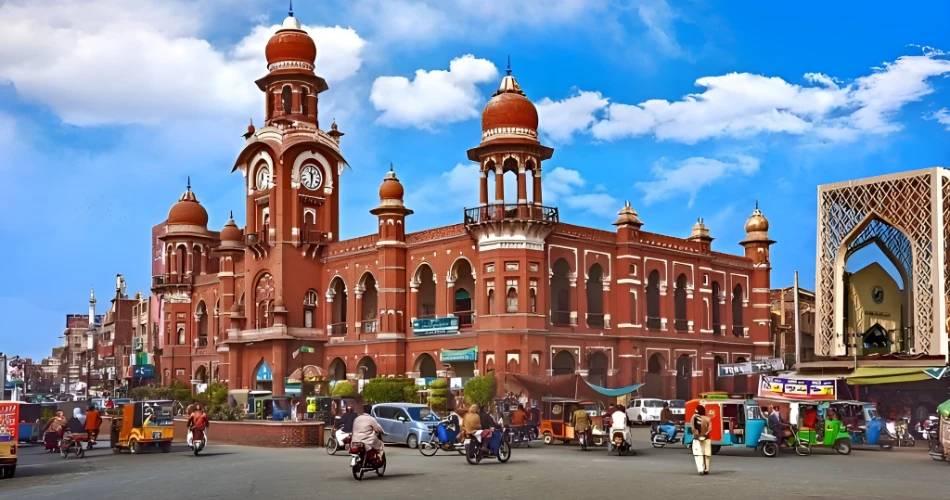
- Built during British colonial rule, construction began in February 1884 and was completed by 1888.
-
The tower replaced the demolished Haveli of Ahmad Khan Sadozai, which was destroyed during the Siege of Multan.
-
Originally named Northbrook Tower, with the adjacent hall called Ripon Hall, both honoring British Viceroys Northbrook and Ripon.
-
After independence, the hall was renamed Jinnah Hall and used for meetings and cultural events.
-
Architecturally, the tower combines Indo-Saracenic, Victorian, Mughal, and Greco-Roman motifs, crafted from red brick with intricate carvings, arches, balconies, and detailed ornamentation.
- Then and Now: Cultural Center & Restoration
Time’s Echo
-
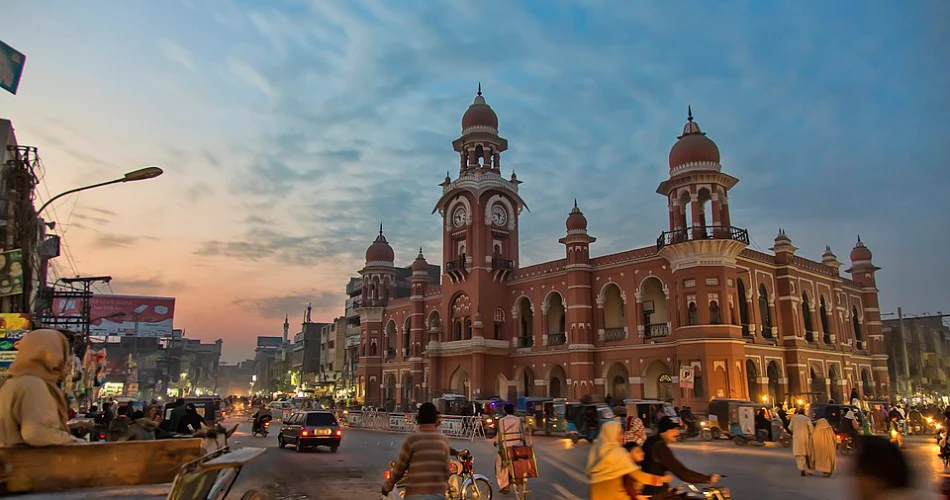
The clock stopped in 1985 but was restored in 2011 and now runs on solar power, preserving its original dial.
A Beacon of Culture
-
Historically, Ghanta Ghar was the core of civic life, serving as a meeting place for rallies, festivals, and gatherings.
-
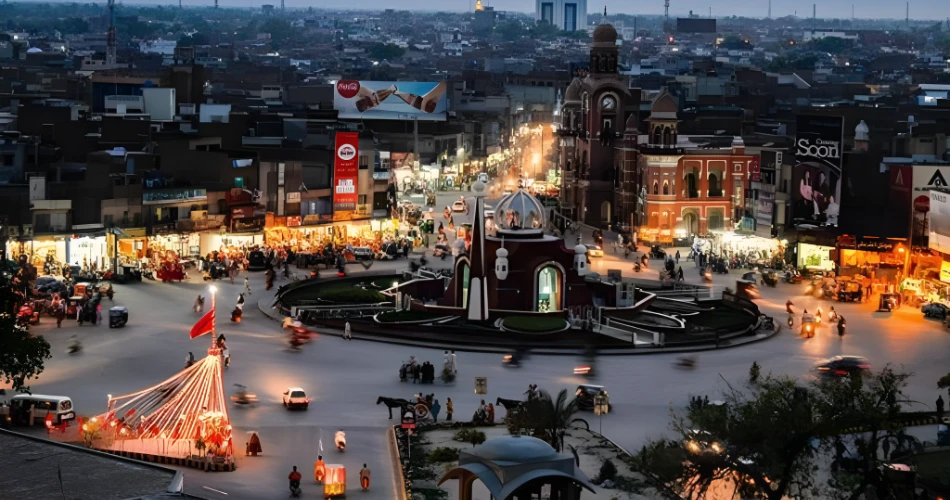
The surrounding bazaars — Hussain Agahi, Chowk Bazaar, and Multan Bazaar — are alive with handicrafts, textiles, spices, and street food, making the area culturally vibrant.
-
During festivals like Eid, Basant, and Independence Day, the square around Ghanta Ghar is decorated and bustling with energy.
Preservation for the Future
-
Ongoing restoration efforts aim to transform Ghanta Ghar into a cultural museum, artisan training center, gallery, café, and traditional marketplace.
-
It is recognized as a protected heritage site, ensuring that both its clock mechanism and architectural structure are preserved for future generations.
Why Ghanta Ghar Matters Today
-
Historical Significance: A living monument reflecting Multan’s colonial-era past and unique architecture.
-
Cultural Identity: A landmark tied to local traditions, gatherings, and the collective memory of the city.
-
Economic & Social Hub: Surrounded by bustling bazaars that sustain local trade and commerce.
-
Conservation Legacy: Represents heritage-focused planning, preserving history while adapting for modern use.
Tips for Visiting Ghanta Ghar & Its Surroundings
-
Best Time to Visit: October to March, during mornings or late afternoons for cooler weather.
-
Location: Around 3 km from Multan Railway Station and 7 km from Multan International Airport, easily accessible by rickshaws, buses, or taxis.
-
What to Do Nearby: Explore markets, sample sohan halwa, spicy chaat, and samosas, and admire the historic Lohari Gate.
-
Safety Tip: Keep belongings secure in crowded bazaars and be mindful of local customs.
-
Engage Locally: Learning a few basic Urdu or Punjabi phrases helps create friendly interactions.
Ghanta Ghar Multan isn’t just a tower — it’s the pulse of a city’s heart. It connects eras, architectural styles, and people. From colonial governance to cultural gatherings, this red-brick monument embodies the living history of Multan.
As restoration gives it new purpose, Ghanta Ghar is set to become a space where history, art, and community meet — a cultural gem for both locals and visitors. If you’re in Multan, this landmark isn’t just worth a glance — it’s worth experiencing.